
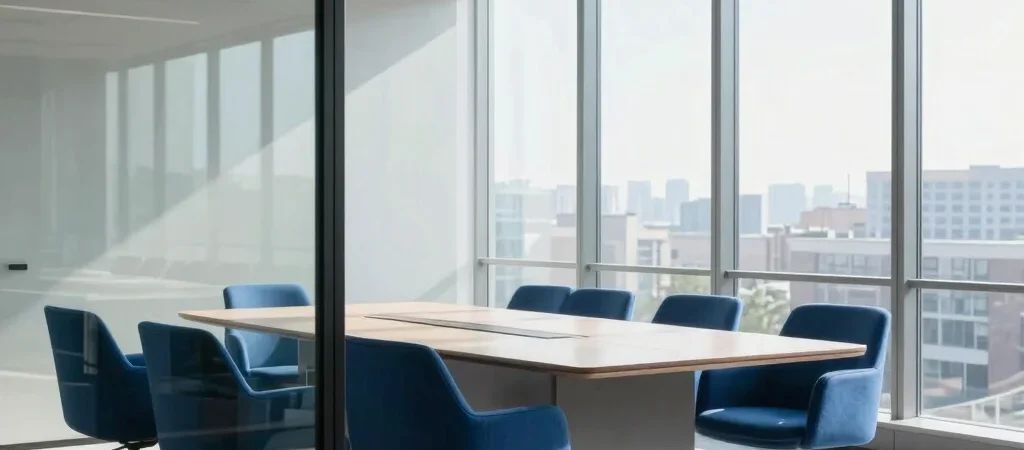
The debate over physical office presence has evolved from an emergency adaptation into a permanent strategic decision for modern enterprises. Executive teams that once measured productivity by occupied desks are restructuring management frameworks around clear output metrics and asynchronous collaboration tools. This transition requires a fundamental shift in corporate culture and leadership communication.
Measuring Results Over Physical Attendance
Traditional management relies heavily on visual cues and spontaneous desk check-ins to gauge momentum. In distributed work environments, effective managers establish explicit deliverables and transparent milestone tracking. This focus on verifiable results encourages autonomy among senior staff while highlighting structural bottlenecks faster than passive observation ever could.
Designing Intentional In-Person Collaboration
Successful organizations are not abandoning physical workspace; they are redesigning its functional purpose. Instead of requiring employees to commute for solo tasks, forward-thinking teams reserve office days for intense strategic planning, creative brainstorming sessions, and team onboarding. Physical spaces are increasingly configured around collaborative workshops rather than endless rows of isolated cubicles.
Building Long-Term Leadership Resilience
Maintaining strong organizational culture across time zones demands deliberate communication habits. Regular concise video updates, well-documented decision logs, and structured virtual office hours ensure team alignment without causing meeting fatigue. Organizations that master this balance retain top technical talent while maintaining agile operational execution.